
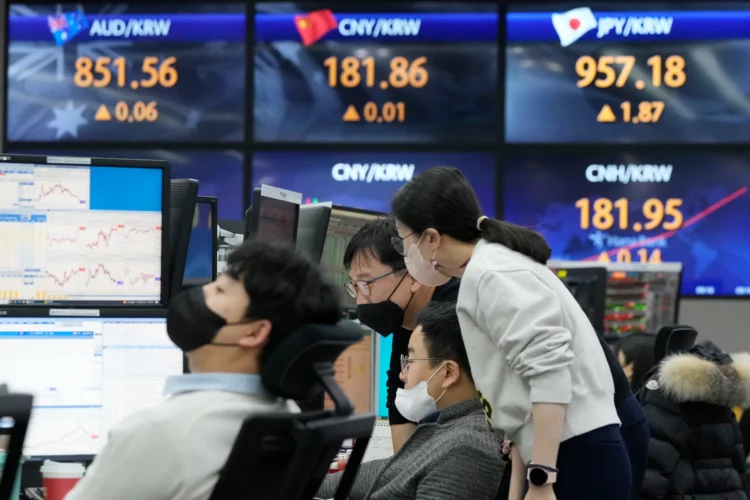
Asia is often discussed as a single tech market, but it is one of the most diverse digital regions in the world. From Japan to India, from South Korea to Southeast Asia, technology habits widely differ from one another, influenced by culture, infrastructure, regulations, and user behavior. What connects these markets is not similar behavior, but a shared focus on practicality and performance. Let’s dive in to discuss this topic with deeper analysis and define whether these habits are similar or completely different from each other, and why it might be important to understand for businesses and individuals alike.
One region, many different tech cultures
Asian tech habits are shaped by local culture for each major economy. Within the region. These habits vary significantly with use case as well:
- Japan – Favors stability, long-term tools, and deep mastery of platforms
- South Korea – Adopts new consumer tech relatively quickly and expects high performance
- China – Relies heavily on all-in-one super apps capable of doing comprehensive tasks
- Southeast Asia – Prioritizes mobile-first and low-cost tech solutions to support performance at low costs
- India – Emphasizes rapid digital adoption with price sensitivity, and is a target for many budget-oriented tech firms
Rather than following global trends blindly, users in the Asian region tend to choose tools that fit local needs and habits.
Trading and finance habits differ across Asia
In Asian financial markets, platform choices reflect regional preferences. Many Asian online financial traders favor tools that offer not only high-speed execution, but transparency and control. As a result, they focus less on simplified interfaces. This is why modern advanced tools like the cTrader platform have gained popularity in many parts of Asia, especially among traders who value advanced charting, fast and precise trade execution, and a cleaner trading environment with superior customization features.
Compared to older, more basic platform tools, cTrader attracts users who need direct market access, high-quality price data and charting, clear order execution visibility (Level II pricing), and a modern interface without unnecessary complexity. This preference indicates a broader trend that Asian users are more willing to learn more complex systems to their fullest potential if the payoff is better performance.
Mobile-first is the default, not the future
In many Asian countries, mobile is not an alternative to PC; it is the primary device. Banking, financial trading, investing, and even business operations are routinely done on smartphones. Modern tech advancements enable startups to build more capable apps as smartphones become more powerful and cheaper. This leads to habits such as expecting full functionality on mobile apps, faster adoption of QR payments and digital wallets, and less reliance on desktop-only software. In fact, some of the apps for finance are available on mobile first and are only later adopted for desktop applications. Smartphones are becoming so widely used that many developers rush to launch new software in the form of apps, and Asian markets are perfectly suited, leading to startups with small capital to build popular apps and grow faster. Platforms that fail to perform well on mobile usually struggle to gain traction in Asian markets even if their desktop variants are widely used, which indicates how important it is to allocate enough resources for mobile application development.
Practical value beats brand loyalty
Another distinctive characteristic of Asian markets is that users evaluate technology differently. Brand names matter less than outcomes, and if a tool saves time, reduces costs, and improves execution, it will be used, no matter where it was built and by whom it was built. This mindset encourages faster switching between tools when better options are available. The word-of-mouth adoption is very powerful, and the focus on performance over aesthetics is apparent. This also explains well why certain global platforms gain regional recognition without heavy marketing lifting.
Learning curves are more accepted
Asian users are generally more tolerant of learning curves. Whether in finance, software, or productivity tools, there is an expectation that mastery takes time and the effort should be worth it, meaning only reliable and useful apps gain popularity. As a result, wider use of feature-rich platforms can be seen, with long-term commitment to tools and deeper user expertise. Western markets often prioritize instant usability and hype, while Asian markets often prefer long-term capabilities.
Overall, Asia does not have one tech habit; it has many. What connects them is a preference for practical, but performance-driven tools as well that enable learning and consistency. From mobile-first usage to advanced trading apps like cTrader, Asian users show that technology adoption is influenced heavily by outcomes rather than by global tech trends. Understanding these differences and characteristics is crucial for anyone building or targeting products for an Asian audience.