


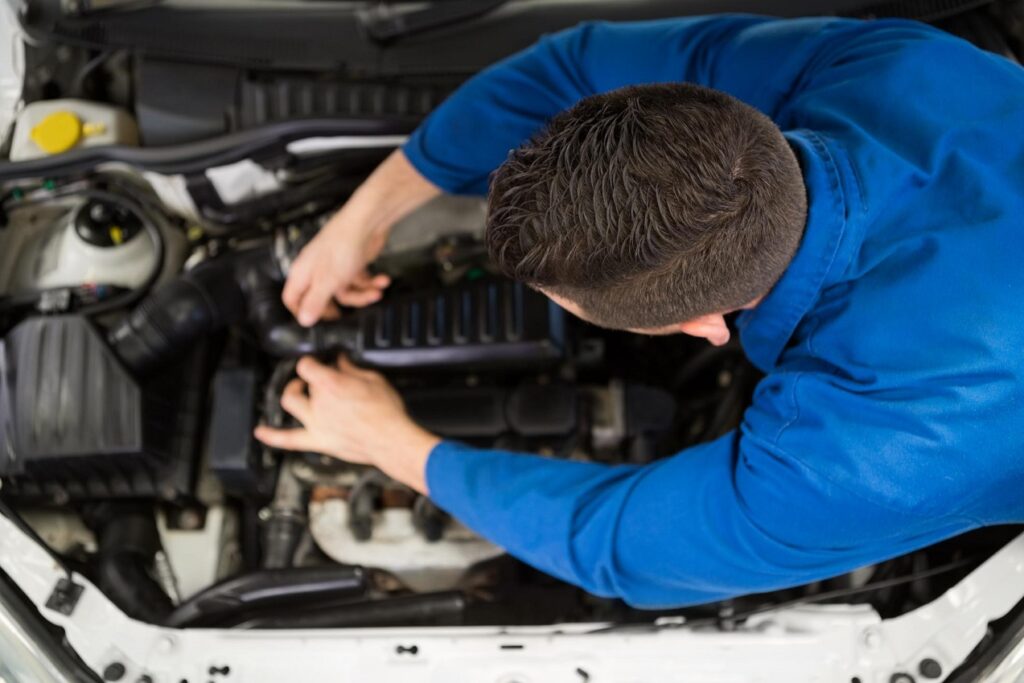
An essential financial instrument for Australians who depend on their cars for work is a car repair loan. By offering prompt access to money for unforeseen repairs, these loans enable drivers to get back to work more quickly and safeguard their financial security. Since recent data shows that automobile breakdowns pose serious employment hazards, Australia’s financial services industry is working to close a crucial gap in emergency vehicle financing.
Despite the increase in remote work choices, 79% of Australians who are employed still commute to work, thus unexpected maintenance costs are now a major threat to household finances. Due to lenders’ recognition of the urgency of employment that depends on vehicles, recent market research indicates a significant rise in the number of car repair loan options.
The Employment Impact of Vehicle Downtime
Personal transportation plays a vital role in sustaining employment, according to statistics from the Australian Bureau of Statistics. In 2021, 21% of Australian workers worked from home, up from 4.7% in 2016. However, the vast majority of workers still rely on dependable automobile access to generate revenue.
Economic analysis shows that postponing auto repairs can have expensive repercussions that go well beyond the initial technical issue. Reduced overtime opportunities, lost work hours, and possible employment discipline all contribute to cumulative financial stress that is beyond the scope of standard loan timelines.
Transport reliability is closely correlated with economic participation rates in both regional and metropolitan areas, according to the Federal Chamber of Automotive Industries, which also notes that automobile dependency is still a major component of Australia’s employment infrastructure.
Market Shift in Emergency Vehicle Loans
The lending environment in Australia has changed significantly to meet the pressing need for funding for transportation. Traditional personal loan processing times have been replaced by same-day funding options offered by major financial institutions for auto repair crises.
Vehicle repairs accounted for a significant amount of emergency finance requests in 2024, according to Cash Converters statistics, which indicates the company approved over 274,000 cash loans for Australian clients. Likewise, well-known lenders such as Nimble say they have processed more than 1.6 million loans since 2005, and financing for auto repairs is one of their most popular services.
Due to the rise of specialised providers, there is now competition in the market for loans ranging from $200 to $100,000, guaranteeing coverage for all types of repairs. From simple battery changes to extensive engine overhauls, this range offers Australian drivers hitherto unheard-of financing flexibility.
Extensive Loan Choices in Australia
Stratified lending solutions that are tailored to different financial situations and repair needs are revealed by market analysis. Many providers now give same-day finance and quick approval for minor repairs under $2,000.
Emergency Funding for Repairs ($200–$2,000)
For small repairs, Cash Direct offers quick funding, and applications are handled in as little as 24 hours. On banking days, Nimble provides comparable services, with funds made available within 60 minutes for applications accepted before 4:30 PM.
($2,000 to $30,000) for standard repair solutions
This market is led by Money3, which offers loans up to $30,000 and accepts applicants from a variety of income sources, including Centrelink beneficiaries who make more than $480 per week. Another major competitor in this market is MeLoan, which provides reasonable terms for reasonably priced repairs.
Finance for Major Reconstruction ($30,000+)
Pepper Money offers the biggest lending limits on the market, up to $100,000, which may be used for both commercial and comprehensive vehicle repairs. In this premium market, competitive rates are guaranteed by Driva’s network of more than fifteen lenders.
Many lenders now accept government benefits as valid sources of income for auto repair loan applications, marking a substantial change in lending accessibility with the inclusion of Centrelink recipients.
Examining Interest Rates and Market Patterns
The wide range of risk profiles connected to emergency vehicle finance is reflected in current market rates. While ordinary personal loan rates average 10.14%, according to Reserve Bank of Australia data, Commonwealth Bank leads the low-rate market with 5.29% for qualified electric car repairs.
Monthly costs of 4% of the initial loan values are usually included in Small Amount Credit Contracts, along with establishment fees of 20% of loan quantities. A $1,000 repair spread over four months would result in total repayments of almost $1,360, which would have a big financial impact on borrowers.
No Interest Loans (NILs), which offer up to $2,000 for auto repairs without interest, are one example of the community-based options that have gained popularity. These initiatives, which are administered by Good Shepherd Australia New Zealand, provide eligible applicants with real interest-free options.
In the industry, rate competition has increased as new suppliers like MeLoan use technology to offer competitive terms while keeping approval times quick. Interest rates on car repair loans are expected to keep falling as market competition rises and regulatory frameworks change, according to industry studies.
Different Methods of Financing
Drivers in Australia have access to a variety of alternative funding sources for auto repairs outside of standard lending. Although mechanical breakdowns are usually not covered by comprehensive auto insurance, it may cover theft, weather-related repairs, and damage from accidents.
An additional practical choice is a mechanic payment plan, especially for existing clientele. Nowadays, a lot of auto repair shops give internal financing plans to keep clients loyal while avoiding the expenses of third-party loans.
Many mechanics now accept Buy Now, Pay Later (BNPL) payments for both labor and parts, and the practice has spread to auto repairs. To prevent penalty fees, stringent payment schedules must be carefully considered.
Community assistance programs provide additional support layers, including:
- Interest-free loans up to $2,000 for necessary repairs
- Organisations providing emergency relief and transport services
- Options for Centrelink advance payments in cases of actual hardship
- Emergency aid programs run by the local council
Techniques for Application Optimisations
Applying for a car repair loan requires careful planning and document management. Financial institutions carefully review bank data and favor applicants with consistent income and sound money management. The process of approving auto repair loans has become more complicated as lenders are now utilising advanced algorithms to assess borrower capacity in a couple of minutes.
Multiple mechanic quotations that demonstrate the need for repairs and cost consideration boost applications. Lenders encourage comparative shopping, particularly when the repair costs are high and exceed $3,000.
Given that many lenders provide initial rate forecasts that are independent of credit ratings, aware of credit scores enables targeted lender selection. Our pre-assessment tool allows borrowers to identify the best finance partners before submitting official applications.
Applications that are submitted sequentially rather than concurrently maximise acceptance chances while protecting credit ratings. Multiple applications submitted at the same time have been shown to have a detrimental effect on creditworthiness evaluations.
The Law and Consumer Protection
Under the supervision of the Australian Securities and Investments Commission, ethical lending practices are guaranteed in the auto repair finance industry. A borrower’s ability to fulfill repayment obligations without experiencing financial hardship must be proven by all certified providers.
A few examples of consumer protection measures are mandated disclosure of comparing rates, cooling-off periods for specific loan kinds, and dispute resolution processes via the Australian Financial Complaints Authority.
In order for consumers to make educated decisions about all of their lending options, regulatory compliance necessitates clear disclosure of the overall cost of borrowing and transparent charge structures.
Economic Consequences and Upcoming Developments
Australian households are experiencing broader economic pressures, which are reflected in the growth of emergency vehicle financing. Transport cost has emerged as a crucial element in the sustainability of employment, especially for lower-paid individuals in occupations requiring a vehicle.
This industry’s expansion reflects a growing understanding that transportation disruptions can lead to wider financial instability, rendering quick repair funding more of an economic need than a convenience.
Increased government assistance programs, application processing technology advancements, and integration with car telematics systems for predictive finance are possible future improvements.
Conclusion
Australia’s dynamic auto repair loan industry illustrates the crucial nexus between economic stability and transportation dependability. Rapid-response finance alternatives are becoming more and more accessible to Australian drivers, protecting their financial stability and mobility.
Navigating this enlarged market requires knowing what options are available, analysing overall costs, and choosing the best solutions depending on the specific situation. Repairing a car doesn’t have to endanger long-term financial stability or job continuity if done properly and strategically. In order to achieve the best results for urgent transportation financing demands, it is nevertheless crucial to compare several lenders and comprehend all related expenses.